Sonoma Wine Country Travel Guide: The Best Things to Do, Eat, and Stay (2026)
Sonoma gets undersold because Napa takes all the headlines.
That’s actually why you should go. The wine is world-class – arguably better for certain varietals – but the attitude is fundamentally different. Sonoma doesn’t dress up. You can drink a $200 Pinot Noir in the morning and grab fish tacos from a roadside stand for lunch. Michelin-starred kitchens operate next to family-run pizzerias. The coastline is dramatic and often empty. The vineyards go all the way to the ocean.
For San Diegans, Sonoma is one of those trips that recalibrates expectations – a long weekend that feels both familiar (great food, outdoor culture, that California ease) and genuinely different. It’s a short flight and a full departure.
This guide covers everything you need: how to get there from San Diego, where to stay, what to do beyond the obvious winery crawl, where to eat, and when to go.
Jump to:
- Getting There from San Diego
- Where to Stay
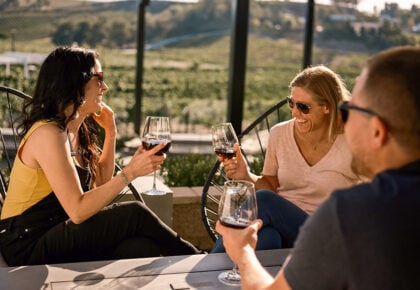
- Wine Tasting
- Dining
- Beyond the Wineries
- When to Go
- Insider Tips
- FAQ
Getting There From San Diego
At 500+ miles, Sonoma is not a practical drive from San Diego – figure 8 to 9 hours one way, and that’s before factoring in LA traffic. This is a fly-in trip.
By air (recommended):
The standard route is SAN → SFO (San Francisco International). Direct flights run about 1.5 hours and are widely available on multiple carriers, often at reasonable fares booked 3–4 weeks out. From SFO, the city of Sonoma is about a 1-hour drive north on Highway 101 – you’ll drive through Marin County and Petaluma, and the landscape starts shifting to vineyard country well before you arrive.
An alternative: SAN → OAK (Oakland) is sometimes cheaper and slightly better positioned for the southern Sonoma Valley or Russian River Valley. Worth checking fares for both airports.
Charles M. Schulz Sonoma County Airport (STS) in Santa Rosa is the closest airport to wine country, but has limited service – confirm current routes before booking. When it works, it saves the SFO drive.
On arrival: Rent a car. Sonoma County covers 1,800 square miles; you’ll need it. If your plan involves serious wine tasting, either designate a driver or book a guided tour with transportation – both are easy to arrange once you’re there.
The logistics: A Thursday evening or Friday morning departure from SAN sets up a 3-night trip with a full day on Friday, Saturday, and half of Sunday before a late flight home. That’s the sweet spot.
Where to Stay
Sonoma has three distinct bases, each with a different character. Where you stay determines a lot about the trip.
Downtown Sonoma
The city of Sonoma centers on the historic Sonoma Plaza – a proper 19th-century town square ringed by tasting rooms, restaurants, and shops. Staying here means you can walk to tastings and dinner without moving the car.
El Dorado Hotel is the most central option, with balconies looking out over the plaza and a good restaurant downstairs. Ideal if you want to be in the middle of everything.
MacArthur Place Hotel & Spa is a short walk from the plaza and trades the location for more space, better landscaping, and a genuine spa – worth it if recovery is part of the plan.
The Lodge at Sonoma is resort-style, comfortable, and better for families – standalone cottages, a generous pool, and more room to spread out.
Best for: First-time visitors, couples, anyone who wants walkable access to tasting rooms without renting a car every evening.
Healdsburg (Russian River Valley)
Healdsburg is the most food-forward base in Sonoma County. The town plaza is compact and ringed by tasting rooms and restaurants that punch well above their weight. This is where serious eaters stay.
Hotel Healdsburg is the anchor – right on the plaza, stylish, with a rooftop bar and pool, and walking distance to the best restaurants in the region.
h2hotel is LEED-certified and boutique – modern design, great location just off the plaza, more character per dollar than the larger properties.
Montage Healdsburg is the serious splurge: 250 acres of vineyards, bungalow-style rooms with private terraces, a major spa, and Hazel Hill restaurant. If budget isn’t the constraint, this is the move.
Best for: Food-focused trips, wine enthusiasts, anyone prioritizing restaurants over resort amenities.
Sonoma Coast
The Sea Ranch Lodge sits on 100 miles of northern Sonoma coastline – weathered redwood architecture on bluffs where meadows drop off to cliffs and the Pacific crashes below. The 17 rooms have gas fireplaces and floor-to-ceiling windows framing wild coastal views.
The restaurant sources from Sonoma’s farms and local waters. This is a fundamentally different trip from the valley experience – quieter, more elemental, ideal if you want ocean and forests as much as wine.
Best for: Couples, those who want something genuinely secluded, and anyone who values dramatic scenery over walkable nightlife.
Wine Tasting
Sonoma has 19 American Viticultural Areas and 425+ wineries. The range is the point – you can stay hyper-focused on one variety and sub-region, or wander and discover things. A few starting points by type:
For First-Timers: Sonoma Valley
Start in the town of Sonoma and the surrounding valley. The history is here – Buena Vista Winery, founded in 1857, is California’s first premium winery, and the 19th-century stone caves and costumed educators make it a legitimate experience rather than just a tasting. Three Sticks Wines operates out of a historic adobe downtown, pairing well-made Pinot Noirs with bites from a local restaurant. Low pressure, excellent wine, sense of place.
For Pinot Obsessives: Russian River Valley
This is the serious Pinot Noir country. The cool climate and morning fog from the Pacific create the ideal conditions for the variety, and the producers here have influenced the national conversation about what American Pinot Noir can be. Flowers Vineyards & Winery and Pax Winery are the kind of places where you might meet the winemaker – and their winery dog. Book ahead; the best rooms fill up.
For Art and Wine: Carneros
Donum Estate pairs world-class wines with one of the most remarkable private sculpture collections in California. The Explore Experience includes an ATV tour through working vineyards and art installations, plus tastings of their Russian River and Anderson Valley Pinot Noirs. Worth scheduling as a half-day event.
For the Off-Beaten-Path: Dry Creek Valley
Zinfandel country, 15 minutes from Healdsburg, down winding roads that connect family-owned wineries most tourists never find. Quivira Vineyards and Preston Farm & Winery are the highlights. Pack a picnic from the Dry Creek General Store and find a spot in Lambert Bridge Winery‘s gardens.
A few ground rules: Tastings typically run $25–75 per person, reservations are increasingly required (especially weekends), and three to four wineries in a day is the practical maximum. Any more and the wines start tasting the same.
Dining
Sonoma’s food culture isn’t a recent trend. Farm-to-table cooking was the default here for decades before it became a national marketing term – the sourcing is genuine because the farms are literally next door. The range runs from Michelin-starred to roadside, and both ends are worth your time.
Worth the Splurge
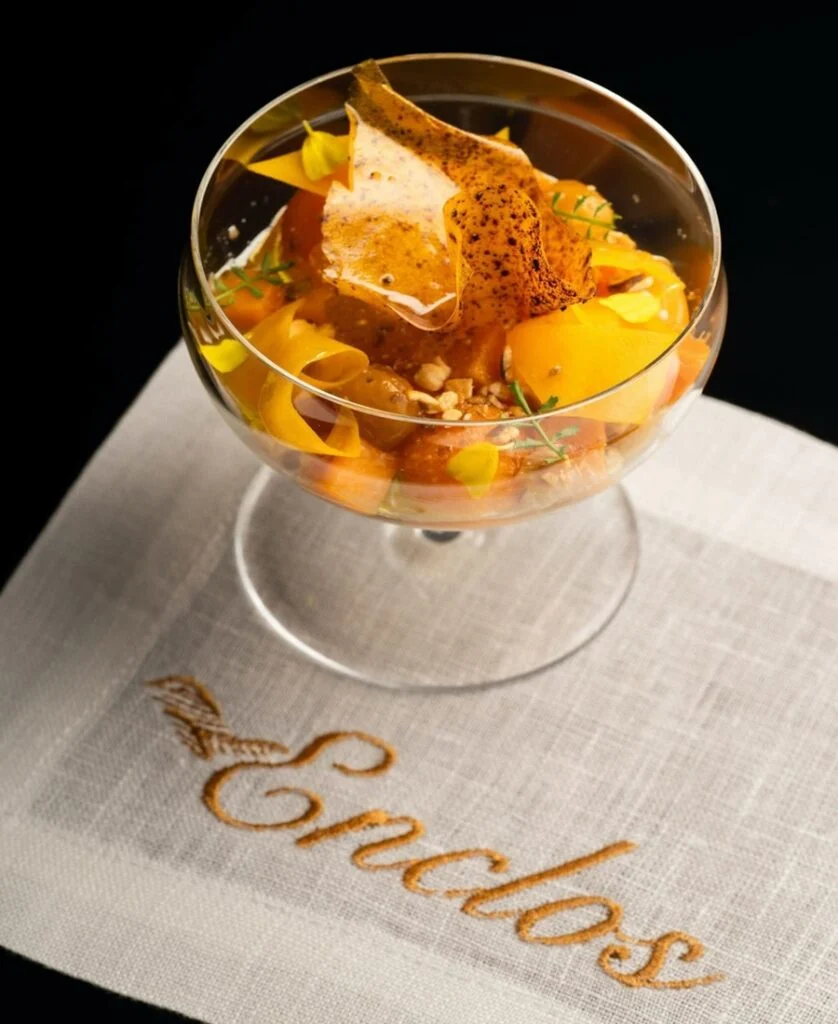
Enclos in Sonoma earned two Michelin stars not long after opening – nearly unheard of for a new restaurant. Chef Brian Limoges’s tasting menu ($280/person) draws directly from Stone Edge Farm’s organic gardens and pays close attention to what’s actually happening in Sonoma Valley right now. Book well in advance; this is the reservation that requires planning.
Bijou in Petaluma is the slightly more approachable luxury option – upscale French bistro from chef Stéphane Saint Louis, with the kind of cooking (croque monsieur, steak frites, French onion soup) that looks simple until you taste how well it’s done.
Local Favorites
Valley Bar + Bottle on Sonoma Plaza is what the food scene actually looks like when locals eat out – small, seasonally driven, with an on-site wine shop that turns dinner into a two-hour excuse to stay. This is on every local’s short list for good reason.
The Girl & The Fig has been a Sonoma Plaza institution since day one. Rustic Provençal-inspired cooking with a Rhône-focused wine program and the kind of consistency that earns a place its regulars.
Wit & Wisdom at The Lodge at Sonoma is Chef Michael Mina’s wine country tavern – heartier California cuisine (the lobster pot pie is the move) with a thoughtful wine program and a bocce ball court for after dinner.
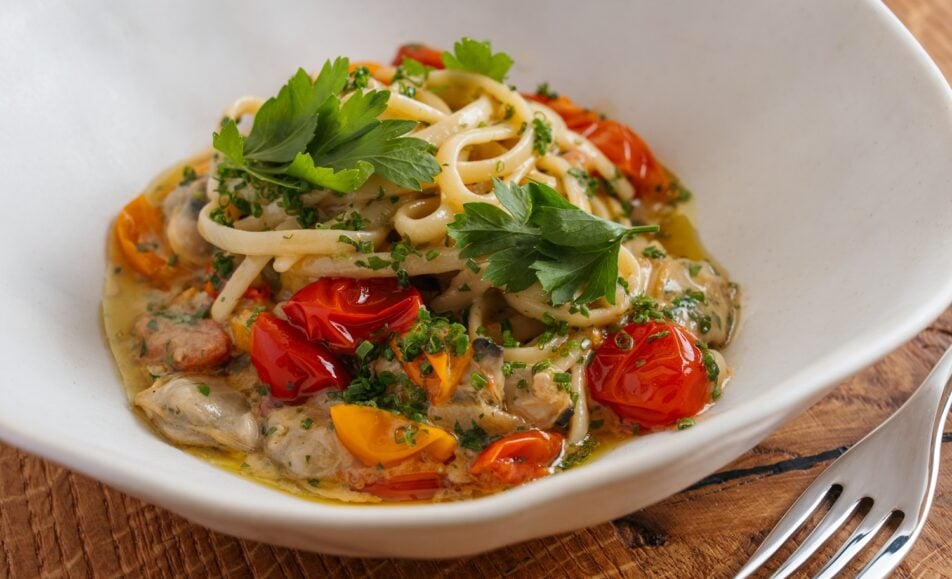
Diavola in Geyserville does Neapolitan pizza in a wood-fired oven with Sonoma-grown ingredients – the seasonal Dungeness crab pasta has become the dish people plan their visits around. The owners recently opened Pastasciutta next door for prepared pastas and pantry staples when you want to take the food home.
Morning
Sunflower Caffé on Sonoma Plaza, in a historic building with a garden patio, is the morning answer: local and organic breakfast and lunch before a day on the wine trail. Come before 10 AM or plan for a wait.
Beyond the Wineries
Most people default to winery-restaurant-hotel-repeat. That’s a fine trip. It’s also missing half of what makes Sonoma worth the flight.
Armstrong Redwoods State Natural Reserve
Near Guerneville, Armstrong Redwoods will make you feel appropriately small. Ancient trees that predate the Crusades, trail systems that work for every fitness level, and a silence that’s hard to find anywhere near a city. Parking is $10, or bike in for free. Non-negotiable if you’re in the Russian River Valley area.
The Russian River
In summer, the river becomes Sonoma’s de facto social scene – kayaking, canoeing, and floating on inflatables like the locals have been doing here for generations. Multiple outfitters provide equipment and shuttles; a half-day on the river is one of those uncomplicated good times.
The Sonoma Coast
Most visitors focus on the valley and miss the coast entirely. Don’t. Sonoma Coast State Park offers tide pooling, clifftop hiking, and beaches where you can actually find solitude – a contrast to anything you’d encounter on a San Diego weekend. The drive north on Highway 1 toward Mendocino, once you get past the tourist infrastructure, is among the most beautiful coastal roads in California.
Historic Sonoma
Sonoma State Historic Park ($3 admission) covers six historical sites, including Mission San Francisco Solano – the last of California’s 21 missions and the anchor of the original Sonoma Plaza, where the Bear Flag Revolt in 1846 kicked off California’s independence from Mexico. The original adobe buildings around the plaza now house tasting rooms and boutiques, which is either irony or continuity, depending on how you look at it.
The Barlow — Sebastopol
A 12-acre converted industrial complex that’s become the region’s artisan hub. More than 40 vendors, including the Pax Winery tasting room, craft breweries, galleries, cheese makers, and restaurants. The kind of place where you show up for coffee at 10 AM and leave at 1 PM with wine, locally made cheese, and something for the wall.
When to Go
Sonoma’s Mediterranean climate means there’s no genuinely bad season – but the season you choose shapes what kind of trip you have.
Fall (September–November) — Best Overall
Harvest season. The vineyards are harvesting, that smell of fermenting grapes is in the air, and the light turns the kind of gold that makes everything look like it was styled. The Valley of the Moon Vintage Festival in late September celebrates Sonoma Valley’s harvest with wine tastings and events. The Sonoma County Harvest Fair is a quintessential fall celebration that showcases the region’s wine culture. Healdsburg Crush in mid-October gathers 60+ California wineries for a tasting event on the plaza. This is peak season – prices are higher and advance booking is essential, but the experience matches it.
Spring (March–May) — Best Value
Wildflowers, manageable crowds, and wineries hosting barrel tastings. The hiking and outdoor activities are at their best in the comfortable temperatures. This is the most underrated time to visit – fewer people, more access at popular wineries, and the landscape is at its greenest.
Summer (June–August) — Busy and Warm
The Russian River is the social center, outdoor concerts are running, and the farmers markets are at peak. This is peak season – book everything in advance and expect higher prices across the board.
Winter (December–February) — Quiet and Affordable
Fewer tourists, lower rates, and a chance to experience wine country in its off-mode. Some restaurants offer special menus; the coastal areas are dramatic in winter weather. Good for those who want the region without the crowds.
Insider Tips
A few things that make the difference between a good Sonoma trip and a great one:
Reserve tastings in advance. The era of showing up unannounced at a tasting room and getting poured has mostly passed, especially at smaller and more notable producers. Book 1–2 weeks out, more for fall visits.
Three wineries are enough. It sounds conservative until the fourth tasting of the day, when everything starts tasting the same. Pace yourself – longer stays at fewer places beat rushing between six in an afternoon.
Don’t skip the coast. Most people focus on the valley and miss 55 miles of Pacific coastline. The Sea Ranch, Bodega Bay, and the stretches of Highway 1 north toward Mendocino are worth half a day of the trip.
Ask the people in the tasting rooms. The person pouring your wine knows every restaurant, every hidden viewpoint, and every producer doing something interesting nearby. They live here. Use that.
Sonoma vs. Napa: If you’re choosing – Sonoma. It’s less expensive, less crowded, more genuinely agricultural, and more likely to produce the moments you’ll actually talk about later. Napa is a great trip; Sonoma is usually a better one.
From San Diego specifically: The SFO drive from the airport can add significant time if you land during rush hour. Arrive before 3 PM or after 7 PM if you can schedule it.
Frequently Asked Questions
Is Sonoma worth visiting?
Yes – and it’s consistently underrated relative to its neighbor. Sonoma gives you world-class wine, a farm-to-table food culture that’s been real here for decades, 55 miles of Pacific coastline, ancient redwoods, and an atmosphere that doesn’t perform for tourists. Most people who’ve done both Napa and Sonoma say Sonoma felt more like a place and less like an experience.
How many days do you need in Sonoma?
Three to four is the practical target. Two days gets you through the highlights but leaves everything rushed. Four days lets you slow down, explore a few different sub-regions, and actually make it to the coast. For San Diegans doing a long weekend, a Thursday evening or Friday morning departure and a Sunday evening return covers it well.
How do you get to Sonoma from San Diego?
Flying is the only practical option at 500+ miles from San Diego. The standard route is SAN → SFO (direct, about 1.5 hours), then drive north about an hour to Sonoma Valley. Check SAN → OAK (Oakland) as a sometimes-cheaper alternative. Charles M. Schulz Sonoma County Airport (STS) in Santa Rosa is the closest to wine country, but has limited service – worth checking if direct flights are available.
You’ll want a rental car at the airport regardless of where you land.
Is Sonoma or Napa better?
Depends on what you want. Napa is more polished and more expensive – the wines and restaurants are excellent, and the infrastructure for visitors is seamlessly organized. Sonoma is looser, more agricultural, and more likely to feel like a real place. You’ll pay less, find fewer crowds, and have a better chance of a conversation with an actual winemaker. For most visitors, especially those who’ve done Napa already, Sonoma is the better trip.
What is Sonoma best known for?
Wine – specifically Pinot Noir from the Russian River Valley and Zinfandel from Dry Creek Valley – and farm-to-table food culture. Sonoma helped define what California cooking became. Beyond that: 55 miles of Pacific coastline, Armstrong Redwoods, and a character that’s stayed genuinely agricultural even as the food and wine reputation grew.
What is the best time of year to visit Sonoma?
Fall (September–November) for the full experience – harvest season, the best light, and seasonal events. Spring (March–May) for the best balance of quality and price. Both are excellent. Summer is peak and crowded; winter is peaceful and a good value if you don’t mind weather.
Do you need a car in Sonoma?
Yes. The wine country is spread across 1,800 square miles, and most of what makes Sonoma special – wineries, coastal areas, the redwoods – requires driving between destinations. If you plan to taste wine, designate a driver or arrange a guided tour with transportation. Guided wine tours with vans are widely available and worth it if tasting heavily is the plan.
Ready to Start Planning?
Sonoma doesn’t require a complicated itinerary. Fly in, rent a car, find a base, and follow good recommendations. The region rewards people who slow down more than people who optimize.
If you want a weekend closer to home while you’re planning the Sonoma trip, we’ve got that covered, too. See our guide to the best things to do in San Diego.
Get San Diego’s best weekend picks in your inbox every Thursday.
Are you a hotel, winery, tour operator, or travel brand that wants to reach San Diego’s most active locals? Learn about advertising with ThereSanDiego.com.
See you there, San Diego!